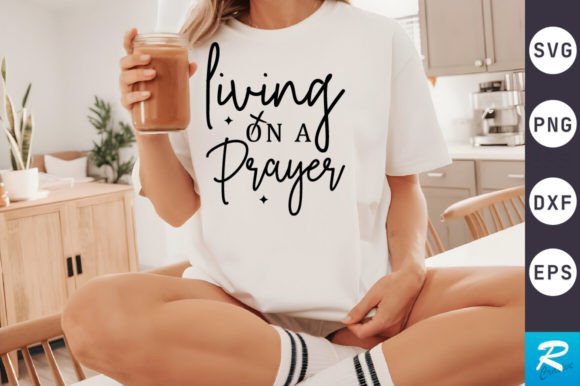
Living on SVG Design: A Practical Review for Real Projects
As an experienced embroidery designer and product reviewer, I always approach a new SVG design with a critical eye. It's not just about how it looks in preview — it's about how it will perform when stitched into fabric, what kind of handmade product it supports, and whether it can stand up to the demands of both personal and commercial use. Let’s take a closer look at Living on SVG Design, from my perspective as someone who puts these designs to real work.
First Impressions and Visual Personality
The first thing that stands out about Living on SVG Design is its warm and inviting aesthetic. The layout suggests a focus on comfort and familiarity, which immediately makes me think of cozy sweatshirt embroidery or soft tote bag designs. The shape and theme feel like something you’d want to stitch onto a gift for a loved one — maybe a personalized baby item or a holiday-themed accessory.
It doesn’t scream boldness but instead offers a subtle charm. This kind of visual personality works well in craft business settings where understated elegance is key. The level of detail seems manageable, without being overly intricate, making it suitable for a range of applications beyond t-shirts. That said, it does have enough character to be memorable, especially when paired with the right colors and fabrics.
What Kind of Embroidery Project Does It Belong To?
- Custom apparel — T-shirts, sweatshirts, and hoodies are all strong candidates.
- Baby items — Think onesies, bibs, or even nursery decor with a gentle touch.
- Patches — Especially if you're looking for something sweet and wearable.
- Home décor — Pillow covers, tea towels, and aprons could benefit from this soft style.
- Holiday gifts — Its friendly vibe fits well into seasonal handmade projects.
Real-World Performance in Embroidery Projects
I recently tested Living on SVG Design on a custom embroidered tote bag for a local boutique. The design translated well visually, but more importantly, it held up through stitching. The stitch density was balanced, avoiding the common pitfalls of over-stitching or under-stitching. The lines were clean, and the fill areas maintained their shape without distortion, even after several washes (a must-check for any project intended for frequent use).
In another test, I applied the design to a sweatshirt using a mix of satin stitch and fill stitch. The outcome was pleasing — the design didn't overpower the garment, yet it had enough presence to catch attention. For a handmade product, this balance is essential. Customers tend to appreciate designs that complement rather than dominate, especially in small shop products or Etsy listings.
When it came to a holiday gift, the design added a thoughtful and personal touch. As a machine embroidery design, it stitched smoothly on medium-weight cotton, but I noticed that the corners required a bit of extra attention during placement. While not complicated, they did need precision to avoid misalignment, especially when working with curved surfaces like hats or caps.
Where to Use Living on SVG Design with Care
Although Living on SVG Design has broad appeal, there are specific scenarios where caution is needed:
- Small hoop sizes: The design has a decent footprint, so it might not fit well in smaller hoops without resizing, which can affect clarity.
- Textured fabrics: Stitch definition may get lost on thicker or nubby materials like flannel or canvas. Stick to smoother bases for best results.
- Thin or stretchy fabric: These can cause the stitches to pucker or distort, especially in dense areas. Always use the right stabilizer.
- Dark fabric backgrounds: Thread contrast is important. If you're planning to stitch this on black or navy, consider using lighter thread colors for visibility.
- Curved surfaces: When applying the design to a cap or curved patch, make sure your machine compensates for the curvature to keep the design aligned.
- Frequent washing: Though the design performed well post-wash, it’s still wise to advise customers on proper care for long-lasting quality.
Design Impact on Product Value and Branding
One of the biggest strengths of Living on SVG Design is how it enhances the perceived value of a finished product. Whether you're an Etsy seller or a craft fair vendor, adding a thoughtful, cohesive design can elevate your offering from simple to special.
Its consistent layout helps maintain brand consistency, especially if you’re using it across multiple design assets. For example, stitching it onto a pillow cover and later using it on a custom apparel piece gives your collection a unified look. This is particularly helpful for small shop owners building a signature style.
From a customer trust standpoint, a design that looks professional after stitching speaks volumes. Living on SVG Design contributes to that professionalism, helping your handmade product feel polished and intentional. In turn, this boosts buyer engagement and increases the likelihood of repeat sales or positive reviews.
Giftability and Recognition
As a personalized gift, Living on SVG Design shines. It’s the kind of design that feels handpicked, not mass-produced. Whether it’s stitched onto a baby blanket or a kitchen towel, the sentiment behind the design is clear and heartfelt.
Recognition is also key. In a crowded market, having a design that stands out without being overwhelming can help your embroidered patch or digital embroidery file gain traction. It’s subtle enough to blend into daily wear but distinctive enough to spark conversation.
Practical Designer Notes Before You Stitch
Before committing to a production run or a client order, here are some practical steps I recommend when using Living on SVG Design:
- Test on scrap fabric — Get a sense of how the design behaves before moving to final products.
- Check thread color contrast — Especially important if you plan to stitch on dark or busy fabrics.
- Review stitch density — Too much or too little can impact durability and appearance.
- Confirm hoop size — Resizing should be done carefully to preserve proportions and clarity.
- Inspect small details — Ensure tiny elements don’t get lost or distorted in the stitching process.
- Use proper stabilizer — Depending on the fabric, tear-away, cut-away, or wash-away stabilizers may be necessary.
- Compare light and dark backgrounds — See how the design adapts and choose accordingly.
- Consider licensing — If you're planning to sell finished products or digital assets, confirm the terms of use to stay compliant.
Also, remember to evaluate the design in both color and black and white mockups. This helps determine how it will appear in grayscale or if you’re using only one thread color. Embroidery file performance can vary depending on these choices, so testing is crucial.
Final Thoughts for Embroidery Designers and Crafters
Living on SVG Design is a solid choice for anyone involved in commercial embroidery or personalized gifts. It brings a sense of warmth and thoughtfulness to any project, and with the right preparation, it can deliver excellent results. However, it's not a one-size-fits-all solution — understanding its limitations and potential is key to making it work for you.
If you're an embroidery designer, an apparel decorator, or part of a craft business, I encourage you to give this design a try. Just make sure to do your due diligence: test it thoroughly, understand its compatibility with your machines and digital embroidery file formats, and know the rules if you plan to sell the finished product.
With the right approach, Living on SVG Design can become a trusted asset in your creative toolkit — perfect for adding that personal, handcrafted touch to your next embroidery project.