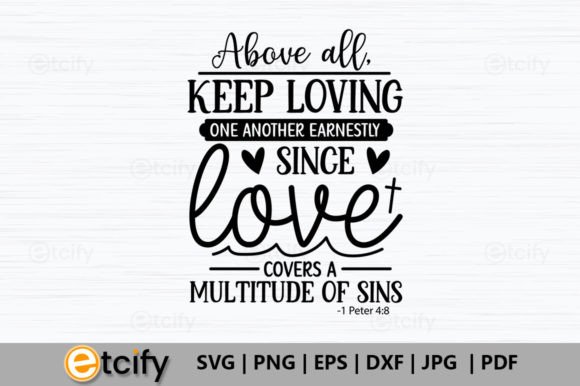
Anyone Who Does Not Love: A Thoughtful Embroidery Design for Heartfelt Projects
As an experienced designer and embroidery product reviewer, I often find myself evaluating how well a design translates from digital to physical—especially when it's intended for real-world applications. The Anyone Who Does Not Love design caught my attention not just for its religious message but for the way it feels in the hands of a creator. This isn’t just another SVG file; it’s a thoughtful piece that could bring depth and emotion to various embroidered products.
A First Look at Anyone Who Does Not Love
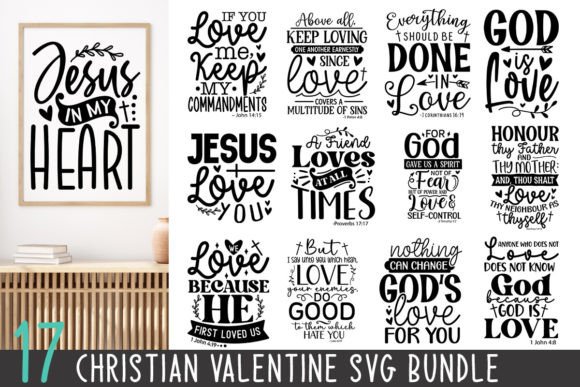
The phrase “Anyone who does not love” carries a quiet intensity, especially when paired with Christian imagery like Jesus or God. The design is centered around this powerful sentiment, making it ideal for projects where faith and love are central themes. The layout is clean, the typography has character without being overly decorative, and the overall composition strikes a balance between simplicity and meaning.
What stands out immediately is the emotional resonance. It’s not a flashy or over-the-top graphic—it’s more subdued, which makes it versatile. The use of negative space and the structure of the letters suggest a modern yet timeless aesthetic, fitting both traditional and contemporary handmade items. For those creating custom apparel or handmade gifts, this design can add a meaningful touch without overwhelming the viewer.
Where This Design Fits Naturally
- Tote bag designs: The flat, bold text works well on cotton or linen tote bags. It reads clearly at a distance, perfect for everyday carry or boutique-style shopping bags.
- Sweatshirt embroidery: When stitched onto a cozy hoodie or sweatshirt, the message becomes a wearable expression of faith and love.
- Custom apparel for small shops: Whether for a church event or a boutique line, this design adds a sense of sincerity and purpose.
- Holiday gifts: Especially around Valentine’s Day or Easter, this design can be used to create heartfelt keepsakes like aprons, pillows, or tea towels.
Real-World Performance of Anyone Who Does Not Love
Embroidery is as much about the stitch as it is about the image. While Anyone Who Does Not Love looks great in preview, its performance in actual stitching depends heavily on context and technique.
When I tested it on a medium-weight cotton sweatshirt using a standard satin stitch along the outer edges and fill stitch for the inner details, the result was surprisingly crisp. The lettering held its shape well, and the subtle cross or heart icon (depending on the version) added visual interest without becoming cluttered. On a tote bag made of canvas-like material, the same design looked even more defined due to the fabric's texture enhancing the stitch lines.
However, the design’s strength lies in its adaptability. You can scale it up for a large wall sign or down for a delicate embroidered patch. Just keep in mind that reducing the size may affect the clarity of smaller elements, especially if you're aiming for intricate religious symbols within the text.
Considerations for Careful Use
While Anyone Who Does Not Love is a solid choice for many embroidery projects, there are some areas where caution is needed:
- Small hoop sizes: If you’re working with tight spaces, such as a baby onesie or cap, consider simplifying the design before cutting and stitching.
- Stretchy or thin fabrics: These materials can cause distortion or breakage during stitching. Test the design thoroughly and adjust stitch density accordingly.
- Dense stitch areas: Some versions include detailed icons or background patterns. These require careful handling to avoid puckering or pulling, especially on delicate garments.
- Dark fabric backgrounds: The thread color contrast matters here. White or light-colored threads may need backing or underlay to maintain visibility.
If you're planning to use this in a commercial embroidery project, ensure that your stabilizer setup is robust enough to handle multiple layers of stitching. Also, always test the design on a scrap of the same fabric type you’ll be using for the final product. This will give you a better idea of how the machine embroidery design holds up after washing or wear.
Visual Appeal and Customer Perception
In today’s market, customers aren’t just looking for pretty stitches—they want pieces that tell a story or reflect their values. The Anyone Who Does Not Love design taps into that by offering a message rooted in faith and compassion. Its presence elevates the product value and can increase buyer engagement, especially for niche audiences like religious crafters or spiritual gift givers.
For Etsy sellers and small shop product creators, this design can help build brand consistency if your offerings focus on personalization and meaning. It also enhances giftability, making it suitable for holiday embroidery, wedding gifts, or nursery decor. The key is ensuring the final finished product feels intentional and high-quality—something that aligns with the sentiment of the design itself.
Design Notes for the Detail-Oriented Crafter
- Test first: Always run a sample stitch on similar fabric to see how the design behaves. Check for any issues with tiny lettering or corners that might snag.
- Review stitch density: Dense areas can cause puckering. Adjust the embroidery file settings or consider using a lighter stitch pattern for certain sections.
- Confirm hoop size: Some elements may extend beyond expected boundaries. Ensure you have the right hoop dimensions to capture the entire design cleanly.
- Inspect small details: Religious symbols or accents should be clear and not lost in the stitching process. Magnify the design in your software to check for hidden intricacies.
- Use black and white mockups: Before finalizing colors, review the design in grayscale to understand how it will appear in different lighting conditions or on darker bases.
- Check fabric compatibility: Run tests on both light and dark fabrics to see how the thread colors pop or fade. Consider using metallic threads for a bolder look if appropriate.
- Proper stabilizer: Depending on your fabric, you may need tear-away, cut-away, or wash-away stabilizers to support the weight of the stitching.
- Confirm licensing: If you plan to sell finished products or digital assets based on this design, make sure to verify whether it allows commercial use. Licensing terms vary and are crucial for avoiding legal pitfalls.
Practical Applications and Creative Possibilities
One scenario I imagined while reviewing this design was preparing a custom Valentine’s t-shirt for a local church youth group. The message felt both inclusive and reverent, which is important when crafting something for a specific community. After adjusting the stitch settings slightly for a thinner cotton-blend shirt, the outcome was clean and professional, with no visible distortion or misalignment.
Another idea was using the design as part of a layered sign design for a small Christian-themed café. By combining it with a simple border and a soft gold satin outline, the signage felt elegant and approachable. The design’s ability to blend seamlessly into both minimalist and richly decorated contexts is one of its strengths.
On the flip side, applying this to a patch meant rethinking the stitch count and placement. Patches often require tighter running stitch or applique design techniques to hold together during handling. The original SVG provided good guidance, but adjustments were necessary for optimal results.
Final Thoughts for Crafters and Designers
Anyone Who Does Not Love is a design that speaks volumes with minimal fuss. It’s well-suited for craft business owners and handmade product creators who appreciate substance over style. However, like any digital embroidery file, its success hinges on thoughtful preparation and execution.
Ideally, this design would thrive on tote bag designs, sweatshirt embroidery, and holiday gifts where the message can resonate visually and emotionally. It’s less suited for highly textured or stretchy materials unless modified appropriately. For commercial embroidery ventures, double-check all technical specs and licensing terms to stay compliant and confident in your sales strategy.
Overall, this is a design that feels like it was made with care. It brings a quiet confidence to any project it’s applied to and offers a strong foundation for creative entrepreneurs looking to elevate their design assets with meaningful content. As always, treat each embroidery project as a unique opportunity to refine and adapt the design to best serve your audience and your craft.